Case studies
Seven projects, five of which you can open right now.
Each write-up covers the problem, the calls I made and why, how the result was measured, and where the evidence stops. Five link out to a live artifact you can check against what is written here.
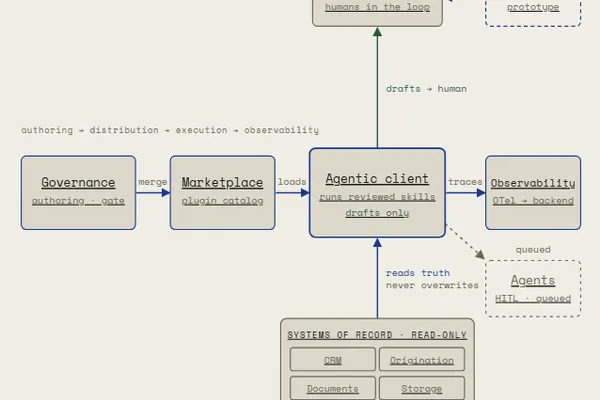
Founding the AI function at a regulated lender
Two services were live in production at handoff, including a daily investor-enrichment pipeline, on a governed platform where nine departments could publish reviewed, drafts-only skills (agents propose, humans send). Two months, one engineer, on contract.
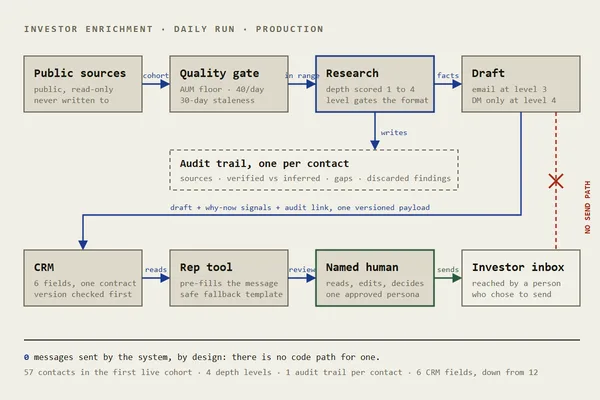
An enrichment service that researches like an analyst and never sends
A service that ran daily in production: research a live investor cohort from public sources, score its own research, draft the outreach, and write it to the CRM for a named human to send. The system sent nothing, by design.
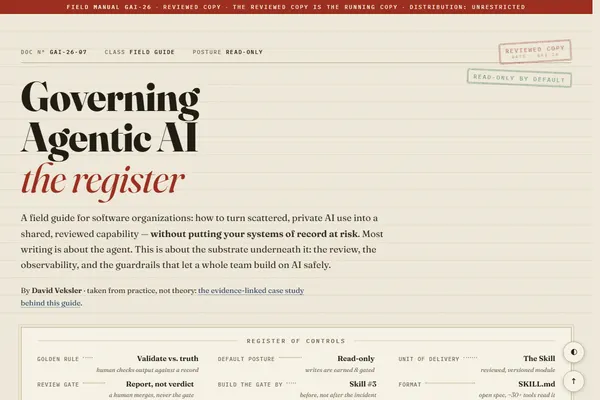
Agentic engineering at enterprise scale
Agents that diagnose live production incidents, review pull requests, and draft the change-control paperwork behind a deploy, inside a Mars business running 50,000+ diagnostic orders a day. Production MTTR went from weeks to under 24 hours, and every other number here carries the methodology behind it.
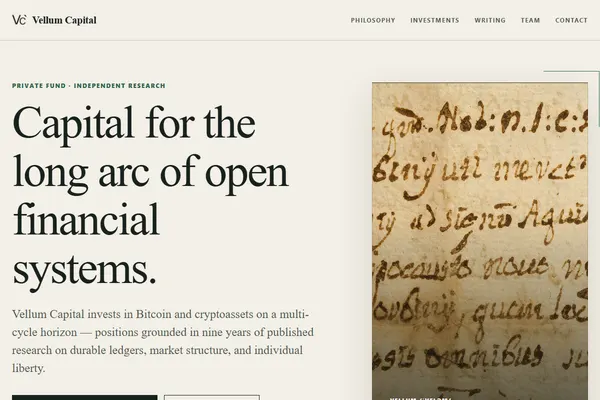
Crypto custody, and recovering $4M+ in stranded creditor assets from 5M+ vaults
AI platform work paired with a decade of institutional custody and DeFi architecture: CCSS Level 3 custody at Vellum, wrapped-token launches, and $4M+ recovered for creditors during the Celsius bankruptcy.
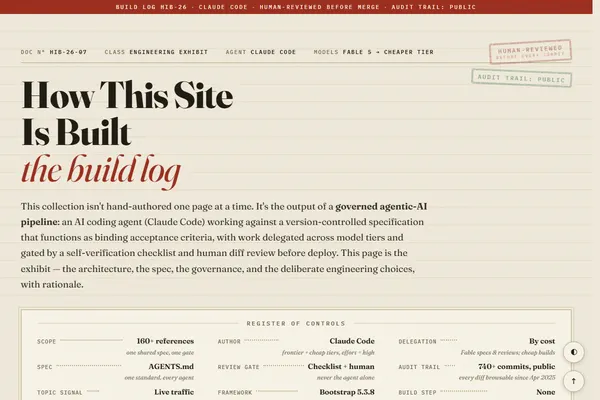
A governed agentic pipeline you can audit end to end
A collection of 160+ interactive reference pages, built and maintained by one person plus AI agents, held to one written spec and shipped through a human merge gate. The pipeline is the thing worth looking at: it makes the next page cheap and consistent, and every commit is browsable in public.
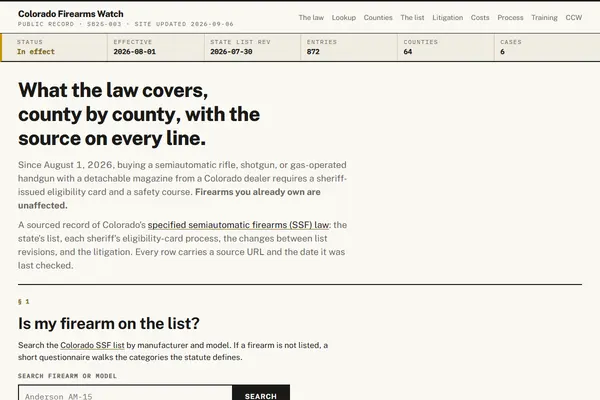
A civic data reference built in a day, and kept current by agents
Built inside a day from a paragraph of intent, then kept current by six pull-request-only agents behind a human merge gate. Every published fact carries its source, the date it was checked, and who verified it.
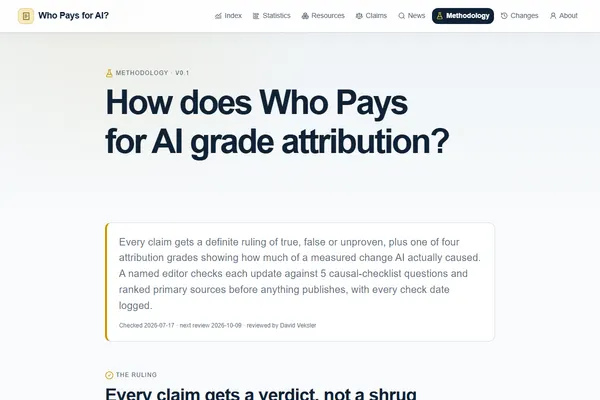
A graded, sourced reference on who pays for AI
A public reference site that grades who actually bears the cost of the AI infrastructure buildout: electricity, water, grid equipment, and memory. Every number carries a primary source and two dates, published and last checked, and one person plus AI agents keeps it current.