
Engineering Manager & Principal Engineer · .NET & Azure · Denver
I lead engineering teams that ship AI and modernized platforms, and I stay in the code.
Today that is a 7-engineer team at Antech, the veterinary diagnostics business inside Mars. On agentic workflows we raised sprint throughput 4.2x, replaced a 20-year SOAP/Java monolith with .NET 8 microservices on Azure, and moved a 2 PB imaging archive to Azure. In spring 2026 I took a commercial real estate lender's AI program from zero to production in two months.
Where the work ran
- Mars 2024 to present
- Vellum Capital 2018 to present
- 2022 to 2024
- 2020 to 2021
- Foundation for Economic Education 2015 to 2020
- 2011 to 2015
What I solve
Three problems I take on, each linked to the work behind it.
Ship agent systems that survive an audit
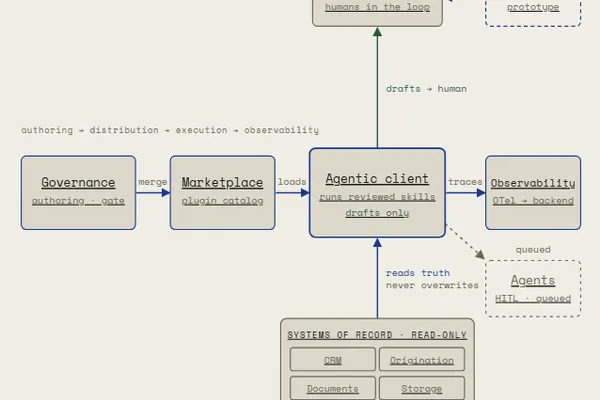
Production agent workflows where a named human approves every irreversible action and every output carries an audit trail back to its sources.
Founding an AI functionStand up an AI function from zero under change control
At a lender governed by ECOA, FCRA, and SR 11-7, I built the reviewed-drafts skill marketplace (a catalog of pre-approved agent workflows), the human review gate, and the monitoring behind both. Two months, one engineer, in production at handoff.
AI on financial railsPut agents on financial rails without breaking custody or compliance
Backed by a fintech decade: CCSS Level 3 institutional custody at Vellum, a $100M+ token launch, the Celsius creditor-vault recoveries, and an Ethereum royalty platform Billboard covered.
The work
Founding the AI function at a regulated lender
Two services were live in production at handoff, including a daily investor-enrichment pipeline, on a governed platform where nine departments could publish reviewed, drafts-only skills (agents propose, humans send). Two months, one engineer, on contract.
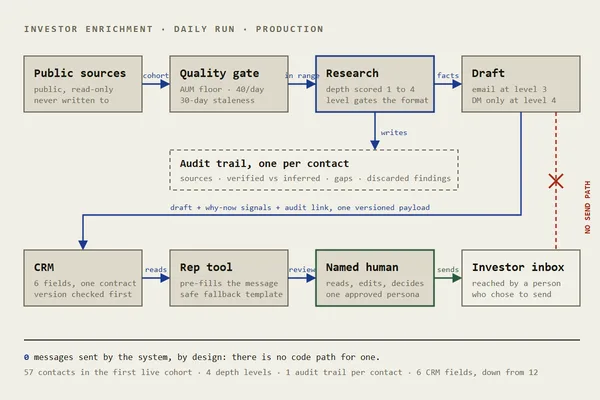
An enrichment service that researches like an analyst and never sends
A service that ran daily in production: research a live investor cohort from public sources, score its own research, draft the outreach, and write it to the CRM for a named human to send. The system sent nothing, by design.
Agentic engineering at enterprise scale
Agents that diagnose live production incidents, review pull requests, and draft the change-control paperwork behind a deploy, inside a Mars business running 50,000+ diagnostic orders a day. Production MTTR went from weeks to under 24 hours, and every other number here carries the methodology behind it.
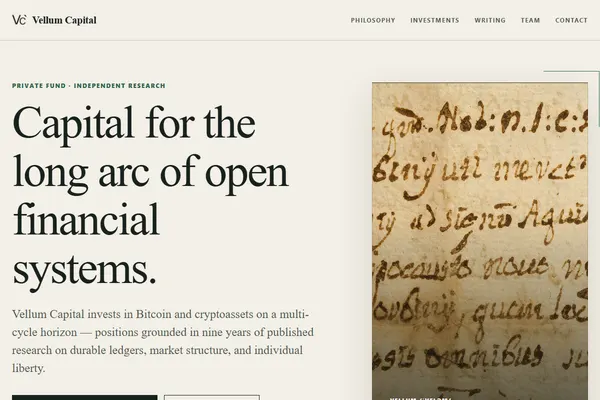
Crypto custody, and recovering $4M+ in stranded creditor assets from 5M+ vaults
AI platform work paired with a decade of institutional custody and DeFi architecture: CCSS Level 3 custody at Vellum, wrapped-token launches, and $4M+ recovered for creditors during the Celsius bankruptcy.
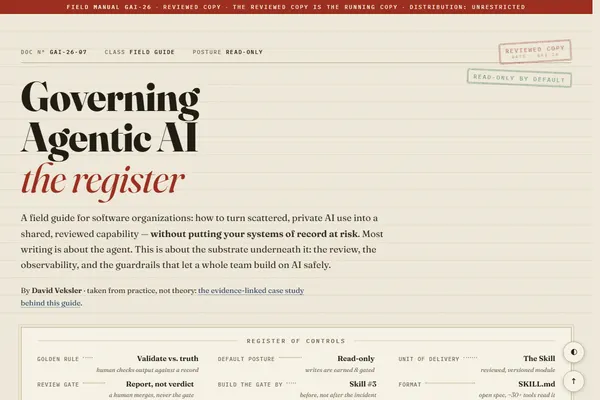
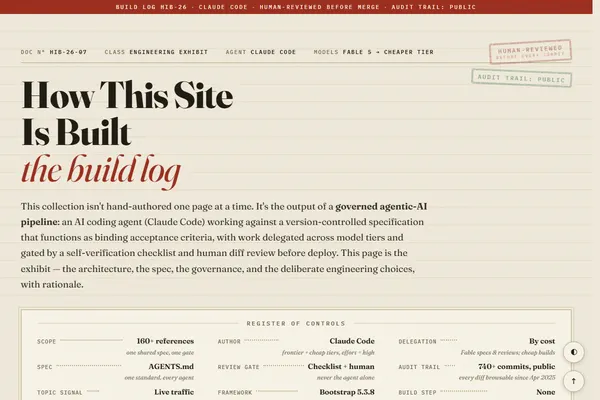
A governed agentic pipeline you can audit end to end
A collection of 160+ interactive reference pages, built and maintained by one person plus AI agents, held to one written spec and shipped through a human merge gate. The pipeline is the thing worth looking at: it makes the next page cheap and consistent, and every commit is browsable in public.
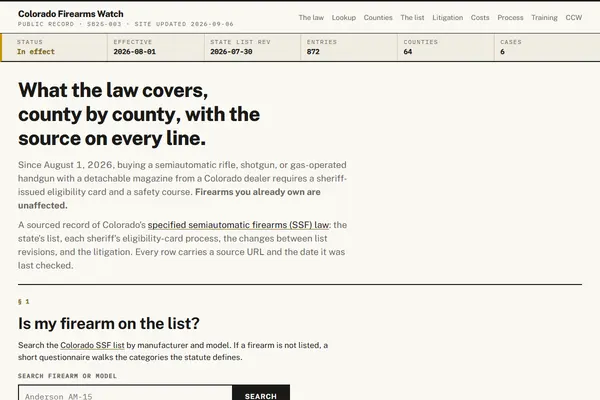
A civic data reference built in a day, and kept current by agents
Built inside a day from a paragraph of intent, then kept current by six pull-request-only agents behind a human merge gate. Every published fact carries its source, the date it was checked, and who verified it.
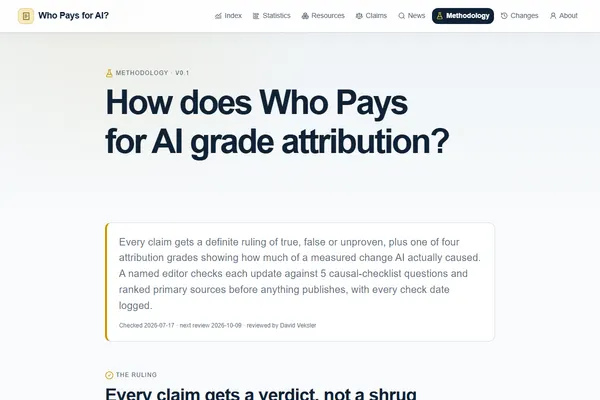
A graded, sourced reference on who pays for AI
A public reference site that grades who actually bears the cost of the AI infrastructure buildout: electricity, water, grid equipment, and memory. Every number carries a primary source and two dates, published and last checked, and one person plus AI agents keeps it current.
How I run programs
An AI program keeps the trust of its risk and audit people by calling things what they are. A feature is done when it runs in production under change control with a named owner, and everything before that point is a draft. Programs die when their status reports drift from that standard, and the drift always starts with a demo somebody called finished.
- Sources Systems of record Production, tickets, documents. Read-only.
- Agent Drafts Proposes the change and cites what it read.
- Named human Approves the write Every irreversible action passes a person.
- Production Under change control A named owner, an audit trail back to step one.
Get in touch
Working on something like this?
Send me the job description, or two lines on the problem and what it costs you today. Short, specific messages get the fastest reply.
Last updated 2026-10-23 · Changelog · How this site is built · Press · Projects and writing